Holidays in Madagascar
A holiday in Madagascar means being surrounded by natural wonders. A country like nowhere else on earth, with ancient and unique flora and fauna. Its landscapes range from giant baobabs to highland rice fields and stunning island beaches. Facing directly onto the Indian Ocean, the east coast of Madagascar is the wettest and lushest part of the island, covered by protected rainforest national parks. Make sure to include this area in your itinerary, if you wish to see lemurs.
Madagascar Islands
Off the coast of the mainland, the island beaches are gloriously unspoiled. A paradise made of pure white sands, lush rainforest and crystal-clear turquoise waters. Nosy Be is the largest island of the archipelago off the northwestern coast of Madagascar. Among the surrounding islands could be found the quiet volcanic island of Nosy Komba, also known as the ‘lemur island’, and the wonderful secluded hideaway of Nosy Tsarabanjina.
Nosy Be
Nosy Be is a small island a few kilometers off the north-western coast of Madagascar, connected by ferry from the mainland. It’s known for its delightful climate almost all year-round and white-sand beaches, coral reefs and tropical waters. Inland, forested reserves and lush ridges are home to island birds, peculiar reptiles and lemurs. Nosy Be is a must-visit destination for sun seekers and nature lovers.
About Madagascar
The world’s fourth largest island, Madagascar is situated just off the east coast of Africa. Madagascar’s history is key to its development. The island split from Gondwana before big predators had developed. Instead of primates Madagascar developed lemurs, a gentle, unaggressive type of monkeys, whose nearest relative lives in South America.
Capital
Antananarivo, also known by its colonial name Tana, is the capital and the largest city of Madagascar.
Language
Malagasy and French are the official languages. English is spoken only in major tourist establishments and by some tour guides.
Local Time
Madagascar’s time zone is 3 hours ahead of Greenwich Mean Time (UTC) all year round.
Religion
The main religion is Islam, and almost 95% of the inhabitants are Muslim.
The best time to visit Madagascar
The best time to visit Madagascar depends on what you would like to do and see. Climate varies extremely across the island. Madagascar has a classic southern hemisphere seasonal pattern: it is usually hot and rainy between about November and April (summer), and colder and drier between about May and October (winter).
- January - March: it’s cyclone season, so we would advise against travelling to Madagascar during this time.
- April - September: during the winter months the weather is enjoyable and the landscape is lush and green, with wildlife such as lemurs and reptiles often making an appearance.
- July – August the weather is cool and dry, making this a comfortable time to explore.
- October-November: tend to be fairly warm with little rain, so this is an ideal time to visit.
Holidays in Madagascar: what to do
Travelers to the island are constantly enchanted by the rainforests, the beaches, and the sharp limestone cliffs. While the country is quite poor, tourism has steadily increased over the years. This makes sense when looking at the list of unique things to do in Madagascar when traveling on holiday. These unusual experiences make visiting the island an unforgettable adventure.
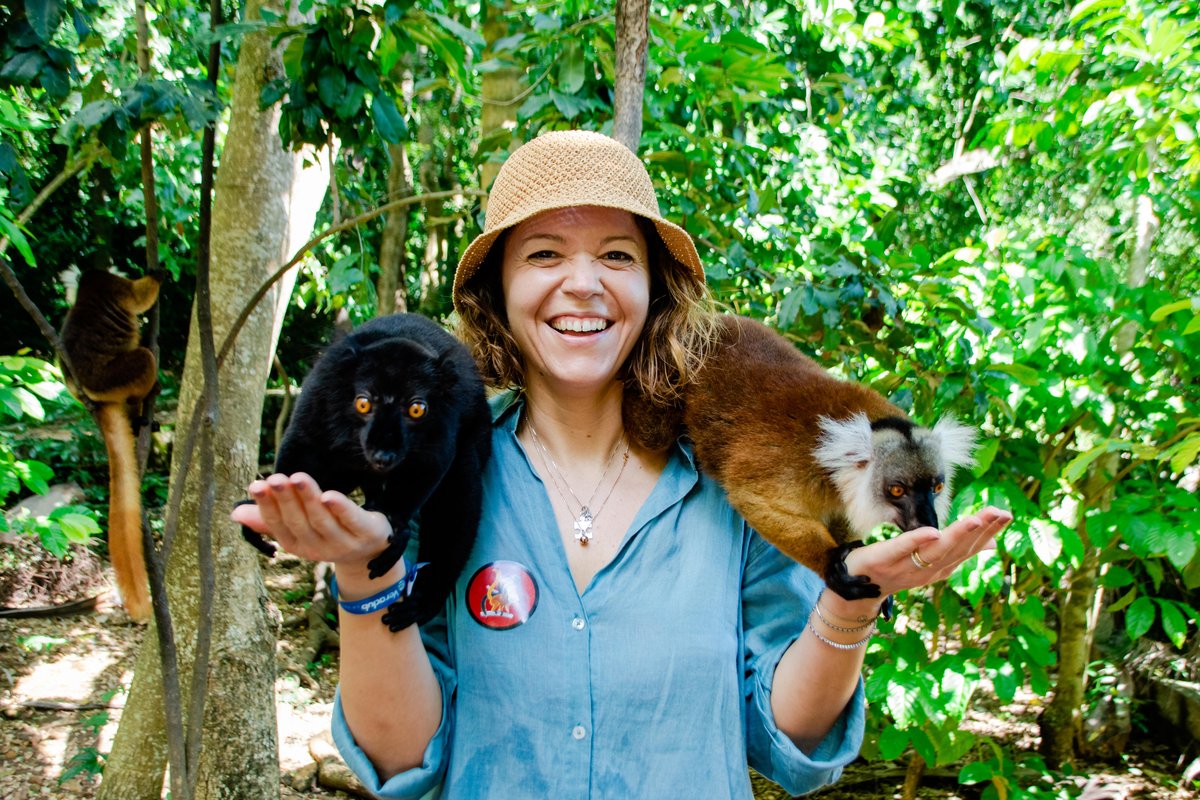
2-Island Tour - Nosy Komba & Nosy Tanikely
MADAGASCAR
Half-day boat trip between Lemur Island and Nosy Tanikely Marine Park.
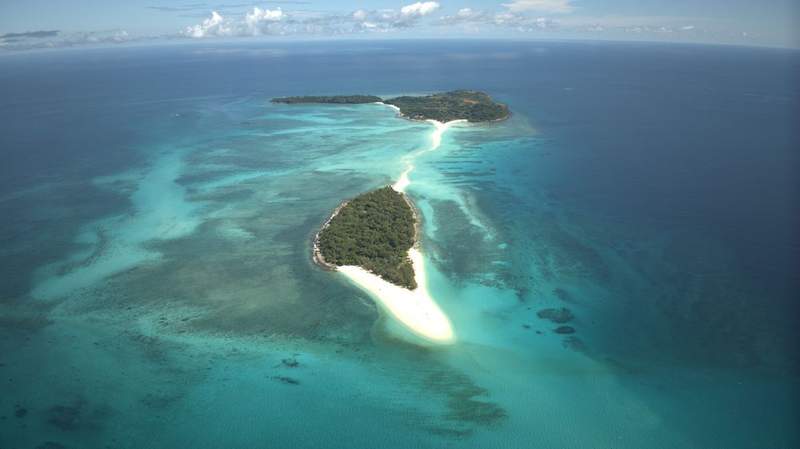
Nosy Iranja - The island of turtles
MADAGASCAR
Full day at the paradise island of Nosy Iranja with its white sandbar.
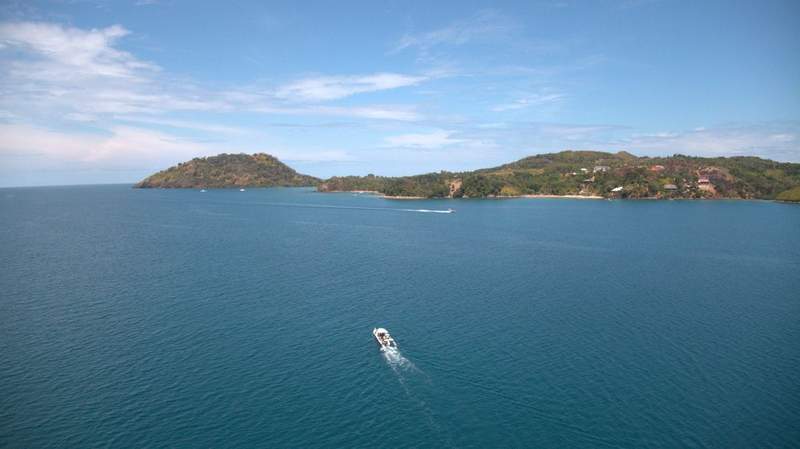
Nosy Sakatia - The Giant Turtle Lagoon
MADAGASCAR
Half-day trip to Nosy Sakatia with snorkeling among giant turtles.
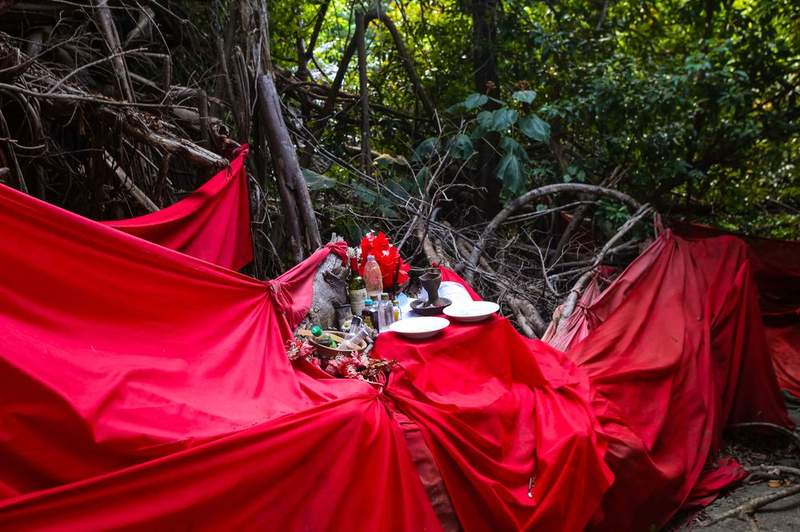
Nosy Fanihy - The Island of Kings
MADAGASCAR
Half-day trip to the sacred island of Nosy Fanihy, featuring coral sand and snorkeling.
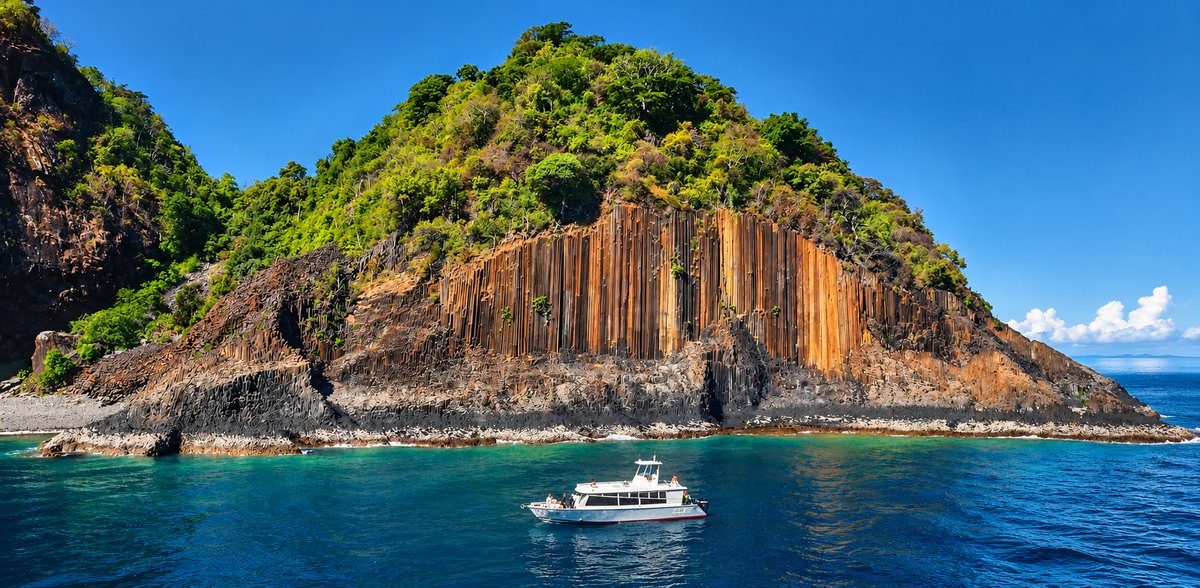
Nosy Mitsio Archipelago - Wild Nature and Pristine Sea
MADAGASCAR
Full-day sailing trip through the pristine Nosy Mitsio Archipelago.
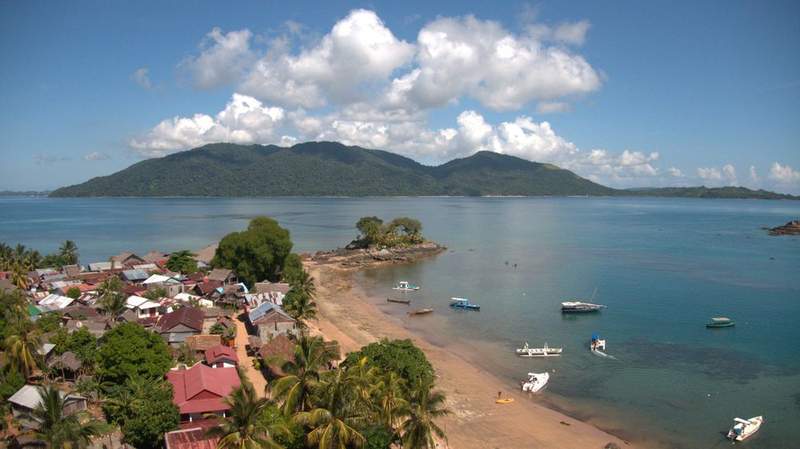
Nosy Mitsio Archipelago - Day-and-a-Half Tour with Overnight Stay
MADAGASCAR
Full-day sailing trip through the pristine Nosy Mitsio Archipelago.
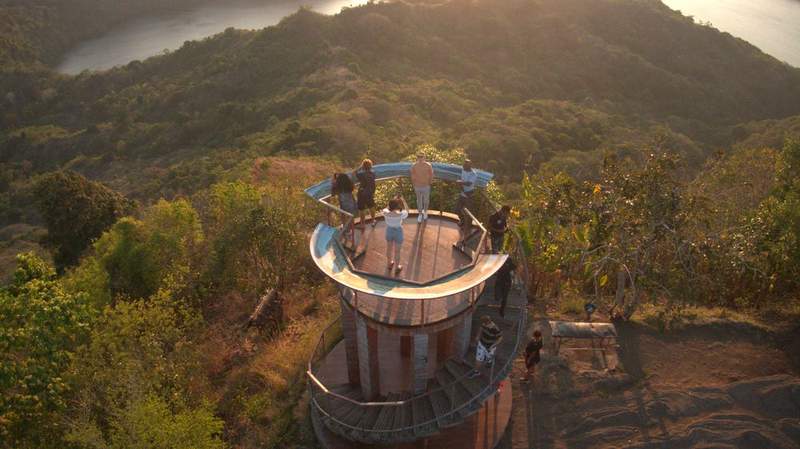
Discovery Tour
MADAGASCAR
Full-day discovery tour of Nosy Be: Marodoka, Hell-Ville, Dzamandzar, and Mont Passot.
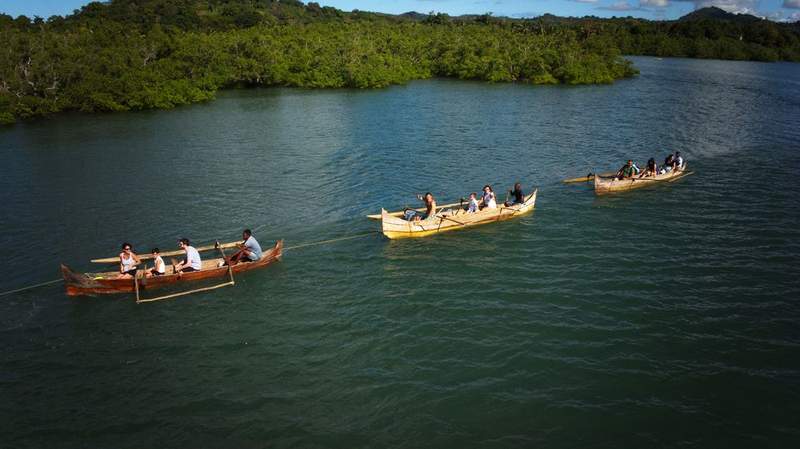
Lokobe Reserve
MADAGASCAR
Full-day trip in a Sakalava dugout canoe and trekking in the Lokobe Reserve.
Lemuria Land
MADAGASCAR
Half-day trip to Lemuria Land among lemurs, ylang-ylang, and a historic distillery.
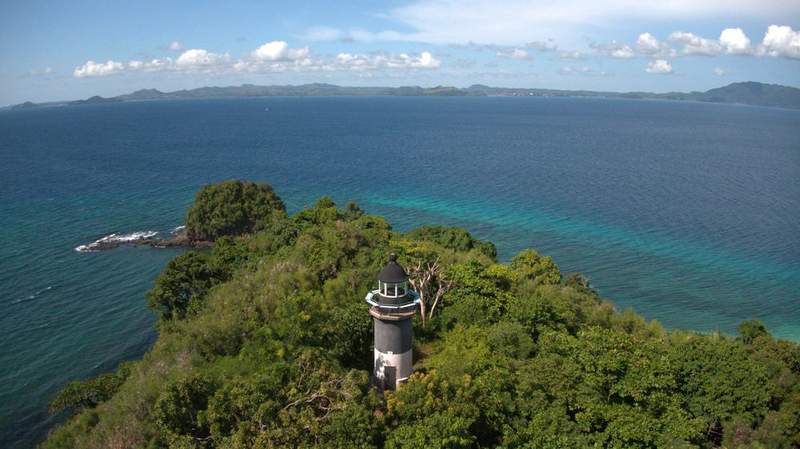
The Mainland
MADAGASCAR
Full-day trip on the Malagasy mainland among Ankify, Ambanja, and a cocoa plantation.
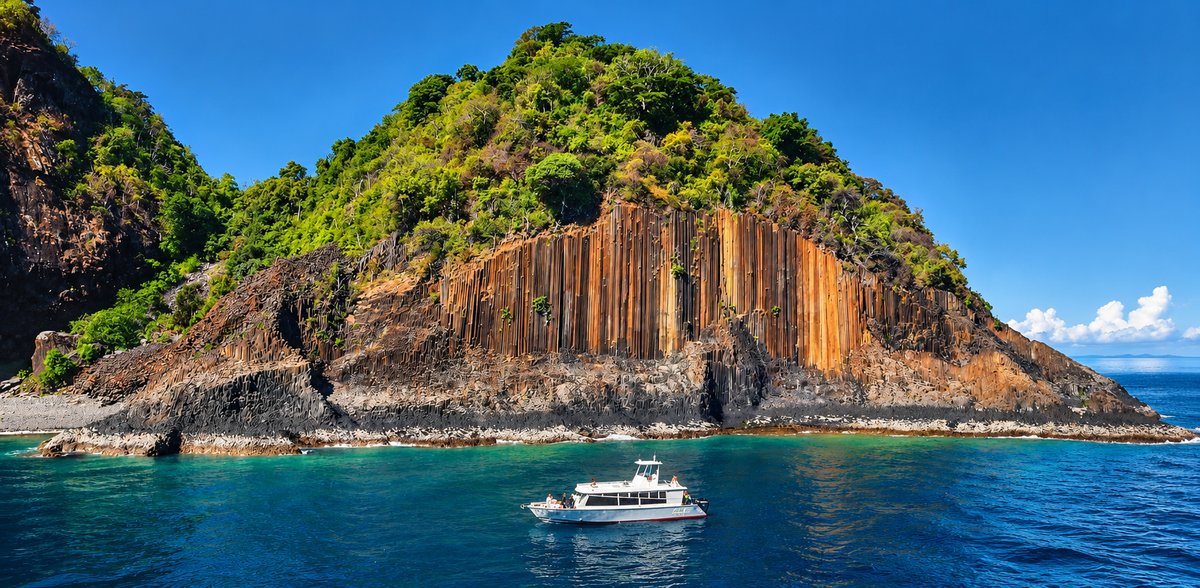
Excursion Package Mpanjaka "Mitsio"
MADAGASCAR
Combined package of five excursions: Nosy Iranja, 2-island tour, Nosy Sakatia, Nosy Mitsio, and Lokobe Reserve.
Madagascar Hotels and Resorts
Madagascar offers a wide range of accommodations.
Browse our highly curated collection of Madagascar hotels to see what’s the best for your holiday.
Madagascar Travel Tips
Madagascar is the fourth largest island in the world but is not enough popular, even among experienced travelers. This gives Madagascar an exclusive timeless appeal. If you are planning to travel to Madagascar, it is useful to get some information in order to face your trip in safety, and fully enjoy your well-deserved vacation.
Visa
All visitors pay for a visa (in euros or US dollars) regardless of your citizenship. Please contact your nearest Malagasy consulate for the latest fees and applications. The short-term tourist visa will allow you a 30 days entry into the country. Your passport must be valid for six months after your day of entry.
Vaccines and Medicines
For arrivals by air directly from Europe, Madagascar has no required injections or vaccines, though if you’re stopping over in an African country that is within the yellow fever transmission zone, you may well be required to show an International Vaccination Certificate for yellow fever.
How to pay
The currency in Madagascar is the Malagasy Ariary but almost all tourist-related costs and fees are contracted in euros. Madagascar has a largely cash-based economy. Credit cards can be used to settle bills for some services, but most business are not set up to accept them. Cheques are not widely accepted in Madagascar. The best strategy is to carry a Visa debit card to withdraw local currency from ATMs or taking Euros and then changing them when you arrive at the airport.
Electricity in Madagascar
Madagascar provides 220V AC current and uses two-pin Continental-style plugs, either a “Type E” or “Type F” Schuko or a flat, “Type C” Europlug. Many hotels have backup generators they use during frequent blackouts.
Local Time
Local time is GMT + 3 all year round.
How to dress
Conservative casual wear is generally acceptable everywhere, but revealing clothes should be avoided since they may cause offence, especially in towns and villages.