Holidays in Italy
Few countries pack so much into so little space. In Italy you can wake up on a volcanic island, have lunch in a medieval hill town and end the day by a lake with the Alps behind you. Every region has its own food, dialect and traditions, which is why a holiday here never feels like the last one.
Art, History and Taste
Italy holds more UNESCO World Heritage sites than any other country: Roman ruins, Renaissance cities, baroque towns and ancient villages. Food is part of the same culture, with local wines, olive oils and recipes that change every few kilometres.
Sea, Lakes and Mountains
Over 7,000 km of coastline, from the cliffs of Amalfi to the beaches of Sardinia and Puglia, plus the Italian lakes and the Dolomites. Beach, hiking, cycling and skiing are all within reach in the same country.
About Italy
Italy is a Mediterranean country shaped by thousands of years of history. It is divided into 20 regions, each distinct in landscape, cuisine and character.
Name
The official name is the Italian Republic (Repubblica Italiana).
Capital
The capital is Rome.
Language
The official language is Italian. English is widely spoken in tourist areas.
Local Time
Local time in Italy is CET (UTC+1) in winter and CEST (UTC+2) in summer.
Religion
Most Italians are Roman Catholic, in a secular state with freedom of worship.
The best time to visit Italy
Spring (April–June) and autumn (September–October) are the best seasons for most trips: mild weather, fewer crowds, and ideal conditions for cities, countryside and food and wine itineraries.
Summer (July–August) is the beach season, with hot weather and the highest prices and crowds, especially around mid-August. Winter (December–March) suits the Alps and the Dolomites for skiing, and city breaks with Christmas markets and quiet museums.
Italy Holidays: what to do
Italy rewards every kind of traveller, whether you want museums, food, nature or relaxing by the sea. Here are some ideas to build your trip around.
Italy Hotels and Resorts
From city hotels to seaside resorts, here are the Merilen properties in Italy.
LHI Healthy Hotel
ITALY
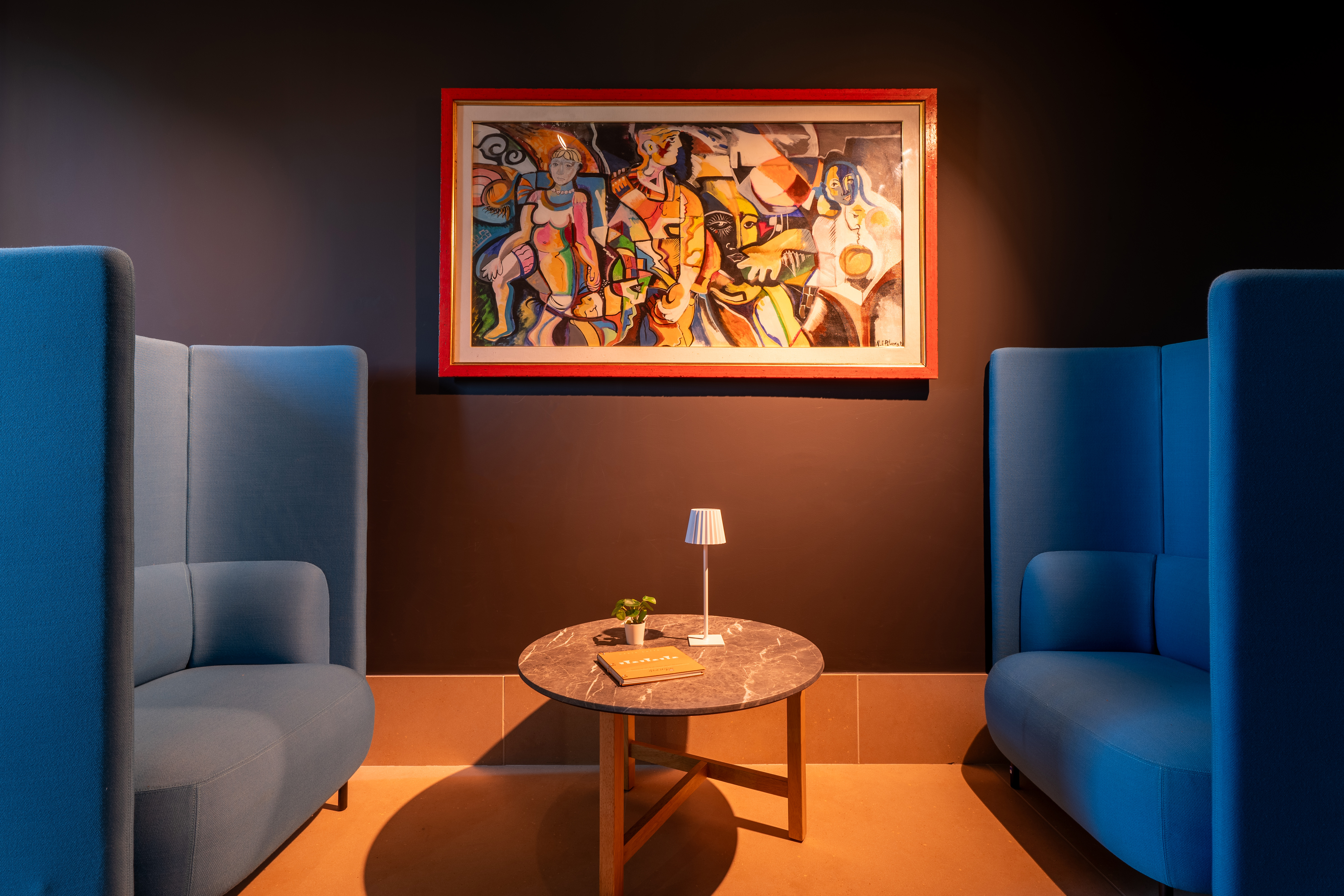
In the heart of Salento, just a short distance from Lecce's baroque charm, a 4-star hotel where wellness, relaxation and genuine hospitality come together.
Italy Travel Tips
Visa
Italy is in the Schengen Area. Entry requirements depend on your nationality and change from time to time, so please check the current rules for your passport before you travel.
Vaccines and Medicines
No vaccinations are required. Make sure routine vaccinations are up to date and bring any personal medicines in their original packaging.
How to pay
The currency is the euro. Cards are widely accepted, but carry some cash for small shops, markets and cafés. Tipping is not compulsory, and rounding up the bill is common. Many cities charge a small tourist tax per night, usually paid at the hotel.
Electricity in Italy
Electricity is 230 V, 50 Hz. Sockets are type C, F and L, so travellers from the UK, the US and other countries need an adapter.
Local Time
Local time is CET (UTC+1) in winter, CEST (UTC+2) from late March to late October.
Flying to Italy
The main international airports are Rome Fiumicino, Milan Malpensa, Venice, Naples, Catania and Palermo. High-speed trains connect the main cities and are often the easiest way to travel between them.
Drinking water
Tap water is safe to drink throughout the country, and many towns have public drinking fountains.
How to dress
Dress is casual and stylish. To enter churches and religious sites, cover shoulders and knees. Comfortable shoes are essential for cobbled streets.